
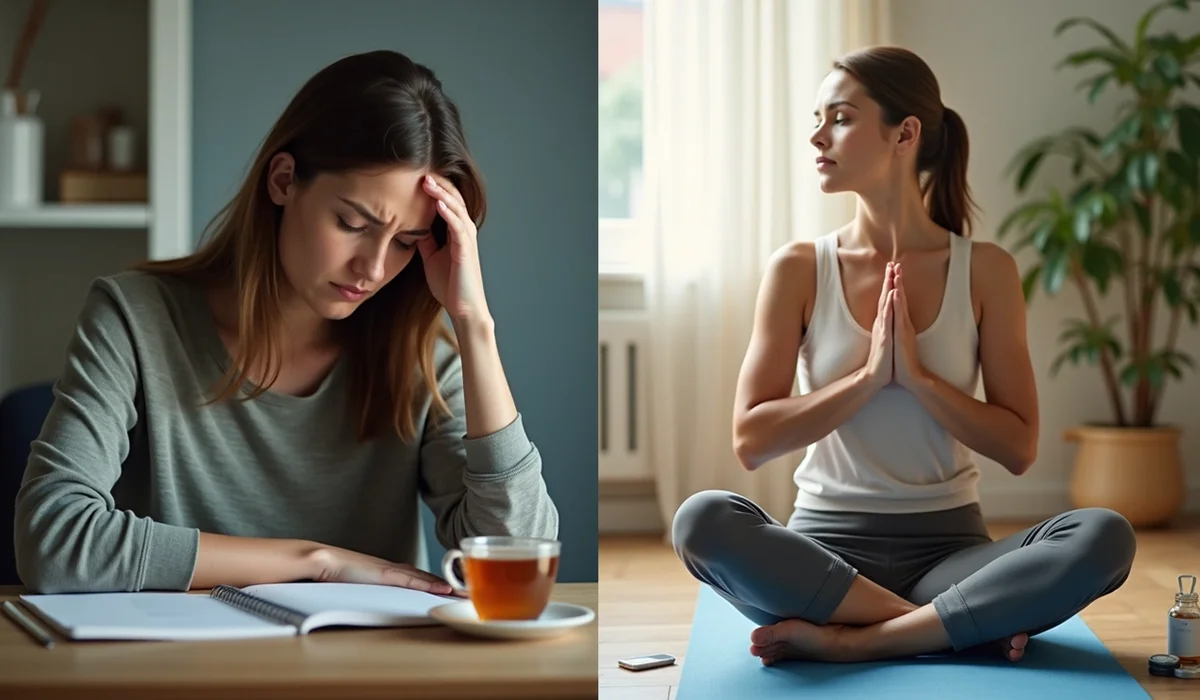
PMS symptoms affect nearly half of all people who menstruate, with about 47.8% experiencing at least one symptom during their cycle. But many don’t realize that these symptoms become severe enough to disrupt daily activities for about 20% of people. My experience as a healthcare provider has shown me how these physical and emotional changes can affect quality of life.
The menstrual cycle naturally causes hormone levels to fluctuate, which triggers various premenstrual symptoms. These period symptoms often get worse in the days before menstruation starts. They can cause everything from mood swings to physical discomfort. Studies show that 3 out of 4 menstruating women have dealt with some form of PMS symptoms. The symptoms can point to PMDD (Premenstrual Dysphoric Disorder) if they become severe. This condition can make normal activities like work, school, or self-care very hard to manage. This piece will explain why your symptoms get worse before your period and show you effective PMS treatments that can help you feel better.
Understanding PMS and Why It Worsens Before Your Period
PMS covers a group of cyclical symptoms that come back in a predictable pattern during a woman’s reproductive years. Let’s explore what PMS really is, how common it is, and when these symptoms usually show up.
What is premenstrual syndrome (PMS)?
PMS refers to many physical, emotional, and behavioral symptoms tied to the menstrual cycle. These symptoms create a pattern that repeats month after month and affects normal functioning in different ways. PMS shows how the body responds to hormonal changes throughout the menstrual cycle.
Regular menstrual discomfort differs from PMS. PMS has both physical signs like breast tenderness, bloating, headaches, and emotional changes such as irritability, mood swings, and anxiety. Doctors diagnose PMS when these symptoms show up regularly before menstruation and go away within four days after the period starts.
How common are PMS symptoms?
PMS affects many women of reproductive age. Research shows that about 75% of menstruating women have dealt with some form of premenstrual syndrome. Studies worldwide reveal an average rate of 47.8%, though the numbers vary by a lot between countries.
Almost all women (up to 90%) feel at least a few premenstrual symptoms at different levels. These symptoms become strong enough to affect daily life in 20-40% of cases. A smaller group—between 2-8%—deals with premenstrual dysphoric disorder (PMDD), a much more severe form that needs treatment.
Women between their late twenties and forties experience PMS more often. This is especially true if they have given birth or have personal or family histories of depression. The symptoms often get stronger as women approach menopause in their late thirties and early forties.
When do PMS symptoms typically appear?
Most women’s PMS follows a regular pattern. Symptoms usually start during the luteal phase—about 5-14 days before menstruation begins. This means many women notice symptoms one to two weeks before their period.
The symptoms reliably fade within four days after menstruation starts. This predictable timing helps doctors tell PMS apart from other health conditions with similar signs.
The exact timing varies among women. Some might feel symptoms two weeks before their period, while others notice changes just days before menstruation begins.
The Science Behind Worsening PMS Symptoms
The biological mechanisms behind PMS combine hormones, brain chemicals, and personal responses in complex ways. These processes help explain why symptoms become stronger right before menstruation starts.
Hormonal fluctuations during the luteal phase
The luteal phase creates the perfect storm for PMS symptoms. This phase starts after ovulation and lasts until your period begins. Your body goes through dramatic hormone changes during this time. Progesterone levels rise by a lot for about 14 days and then drop suddenly if you don’t become pregnant. At the same time, estrogen levels peak around ovulation and then decline as the luteal phase ends. These quick hormone changes, not the hormone levels themselves, cause many women’s uncomfortable symptoms.
The role of serotonin and neurotransmitters
These hormone fluctuations change your brain chemistry directly. Estrogen makes serotonin—a mood-regulating neurotransmitter—more active. This explains why you feel better in your cycle’s first half. Serotonin decreases as estrogen levels fall in the late luteal phase. Lower serotonin leads to irritability, food cravings, and mood swings. Progesterone also affects GABA, another neurotransmitter that controls anxiety and sleep. These calming effects fade when progesterone drops, which can lead to more anxiety and sleep problems.
Why some people are more sensitive to hormonal changes
Women experience similar hormone levels, yet only some develop severe PMS symptoms. Genes play a major role, with inherited factors ranging from 30% to 80%. Research shows some women’s brains react differently to normal hormone changes. Some genetic variations in estrogen receptors might make women more sensitive to these changes. This explains why the same hormone levels can cause severe symptoms in some women but barely affect others.
How stress and cortisol levels contribute
Stress makes PMS symptoms worse without doubt. The hypothalamic-pituitary-adrenal (HPA) axis that controls stress responses works both ways with the reproductive hormone system. Women with severe PMS often show weaker cortisol responses to stress, which suggests their bodies process stress differently. High stress levels make you 5.79 times more likely to experience severe PMS. This creates a negative cycle—stress worsens PMS symptoms, and then these symptoms increase stress even more.
Recognizing the Full Spectrum of PMS Symptoms
PMS affects women differently, and symptoms can range from mild discomfort to effects that can be debilitating. Research shows that 3 out of 4 menstruating women deal with some form of premenstrual syndrome. In spite of that, most women experience just a few symptoms – there’s more to it than what they might face.
Emotional and behavioral symptoms
PMS often demonstrates psychological effects like tension, anxiety, depressed mood, crying spells, mood swings, irritability, anger, and social withdrawal. These might seem like regular mood changes at first, but many women notice they happen right before menstruation. The symptoms can disrupt daily life by a lot, especially when combined with appetite changes, food cravings, insomnia, poor concentration, and decreased libido.
Physical symptoms and discomfort
Women typically experience joint or muscle pain, headaches, fatigue, and fluid-related issues like weight gain, bloating, and breast tenderness. Many also deal with acne flare-ups, constipation or diarrhea, and even alcohol intolerance. These symptoms usually clear up within four days after menstruation starts.
When PMS becomes PMDD
PMDD affects about 3-8% of women during their reproductive years. The biggest problem that sets PMDD apart from PMS is how severe the symptoms become—they cause substantial distress and make daily tasks difficult. Women with PMDD often feel hopeless, extremely anxious, and experience intense mood swings that affect their relationships and daily activities.
Tracking symptoms for better diagnosis
Doctors can’t diagnose PMS or PMDD through lab tests. That’s why tracking symptoms becomes crucial over at least two consecutive menstrual cycles. A symptom diary helps identify patterns and timing, which leads to proper diagnosis and better treatment plans.
Effective Treatments and Lifestyle Adjustments
PMS management works best with a personalized approach that targets your specific symptoms. My years of practice have shown me many treatment options that help women deal with premenstrual discomfort.
Over-the-counter and prescription medications
NSAIDs like ibuprofen or naproxen help relieve cramps and breast tenderness if you take them as symptoms begin. SSRIs remain the primary treatment for severe emotional symptoms. Fluoxetine, paroxetine, and sertraline work especially well. Your doctor might prescribe diuretics such as spironolactone to help with bloating and water retention when lifestyle changes fall short.
Dietary changes and supplements
What you eat can make a big difference in your PMS symptoms. Taking 1200mg of calcium daily helps both physical and emotional symptoms. Vitamin B6 (50-100mg daily) improves mood-related issues, while magnesium helps reduce fluid retention. Chasteberry extract works better than antidepressants for some women’s breast tenderness and bloating.
Exercise and sleep hygiene
Your mood and energy levels improve with regular physical activity. A 30-minute aerobic workout most days helps reduce PMS symptoms by releasing endorphins and balancing hormones. Good sleep habits and a calming bedtime routine help you avoid PMS-related insomnia.
Cognitive behavioral therapy (CBT)
CBT teaches you to spot negative thought patterns linked to PMS and develop better coping methods. This therapy helps with anxiety and depression through practical problem-solving skills and stress management. Online CBT sessions work well for women who can’t attend in-person therapy.
Hormonal treatments and contraceptives
Birth control methods containing drospirenone help reduce PMS symptoms by controlling ovulation and hormone levels. Many women choose these as their primary treatment, particularly if they need contraception too. Some doctors suggest taking these medications without breaks to avoid hormone changes completely.
When to seek professional help
You should talk to your healthcare provider if your symptoms don’t improve after 2-3 menstrual cycles with lifestyle changes, or if PMS affects your daily life too much. Your doctor will review your symptom tracking over several cycles and might suggest prescription medications or specialized treatments for severe cases.
Conclusion
PMS can feel overwhelming, particularly when symptoms peak right before your period starts. This piece explores how hormonal changes during the luteal phase trigger physical discomfort and emotional changes that affect nearly half of all menstruating individuals.
Without doubt, PMS science shows a complex interaction between estrogen, progesterone, and neurotransmitters like serotonin. Your body’s sensitivity to these normal hormonal changes, among factors like stress and genetics, determines how severe your symptoms become.
Here’s the bright side – you can find relief through targeted approaches. Tracking your symptoms across several cycles helps spot patterns that guide treatment choices. On top of that, lifestyle changes like regular exercise, steady sleep schedules, and dietary adjustments often make symptoms less intense. If you have more severe symptoms, medications from over-the-counter pain relievers to prescription options like SSRIs or hormonal contraceptives are a great way to get relief.
Note that while PMS is common, you don’t need to suffer through severe symptoms. Your next step should be talking to a healthcare provider if symptoms keep disrupting your daily life despite your self-care efforts. You can work together to create a customized plan that works for your symptoms.
Your understanding of body patterns and responses enables you to take charge of your menstrual health, instead of letting PMS symptoms take control of you.
Key Takeaways
Understanding why PMS symptoms worsen before your period can help you take control of your menstrual health and find effective relief strategies.
• PMS affects nearly half of menstruating individuals – with 47.8% experiencing symptoms and 20% having severe enough symptoms to disrupt daily activities.
• Hormonal fluctuations during the luteal phase trigger symptoms – dramatic drops in estrogen and progesterone affect serotonin levels, causing mood swings and physical discomfort.
• Genetic sensitivity varies between individuals – some women are naturally more sensitive to normal hormonal changes, explaining why identical hormone levels affect people differently.
• Multiple treatment options provide relief – from lifestyle changes like exercise and calcium supplements to prescription medications like SSRIs for severe symptoms.
• Symptom tracking is essential for proper diagnosis – maintaining a diary over 2-3 cycles helps identify patterns and guides effective treatment decisions.
• Professional help is available when needed – if symptoms consistently disrupt daily life despite self-care efforts, healthcare providers can develop personalized treatment strategies.
The key is recognizing that while PMS is common, you don’t have to suffer through debilitating symptoms. With proper understanding and the right approach, most women can significantly reduce their premenstrual discomfort and regain control over their monthly cycles.